


Why do massages feel good goes far beyond simple relaxation it’s your body responding to biological and psychological effects. From releasing happy hormones to easing muscle tension and boosting circulation, massages leave body and mind refreshed. Join us at Lotus Pearl Massage to discover how each session supports body and mind, helping you enjoy every moment to the fullest.
Why do massages feel good? Revealing the reasons
When you lie on the massage table, you might wonder why do massages feel so good. The soothing touch triggers your nervous system, releasing happy hormones like endorphins and oxytocin while lowering stress hormones such as cortisol. This not only relaxes your muscles and improves circulation but also calms your mind, leaving you feeling physically refreshed and emotionally balanced.
The biological magic behind the touch
The human body responds to touch in surprisingly powerful ways, which is why many wonder why does a massage feel good. Simple strokes can spark the release of endorphins and oxytocin, reduce stress hormones like cortisol, and switch the body into a relaxed state, making you feel both calm and refreshed.

Release of happy hormones
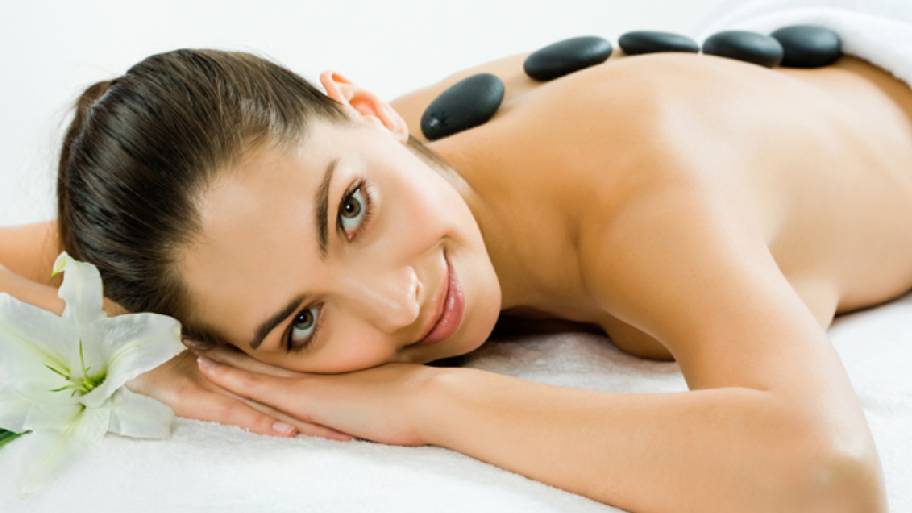
The body reacts to massage on a chemical level, which reveals why massages feel so good. Gentle pressure and rhythmic movements stimulate nerve endings in the skin and muscles, signaling the brain to release hormones linked to pleasure and well-being. Endorphins, the body’s natural painkillers, help reduce discomfort and elevate mood, creating a sense of lightness and calm.
Oxytocin, sometimes referred to as the bonding hormone, rises as well, encouraging feelings of trust, comfort, and emotional warmth. Other mood-enhancing chemicals like serotonin and dopamine increase too, stabilizing mood and enhancing overall enjoyment. Together, these hormonal changes give the deeply soothing and uplifting sensations experienced during and after a massage.
Reducing cortisol levels
Lowering stress hormones is a key reason why does a massage feel good. Gentle pressure and rhythmic movements reduce cortisol, the body’s main stress hormone, easing tension and calming the nervous system. This decrease in cortisol not only makes you feel more relaxed physically but also supports mental clarity and emotional balance.
Activation of the relaxation response
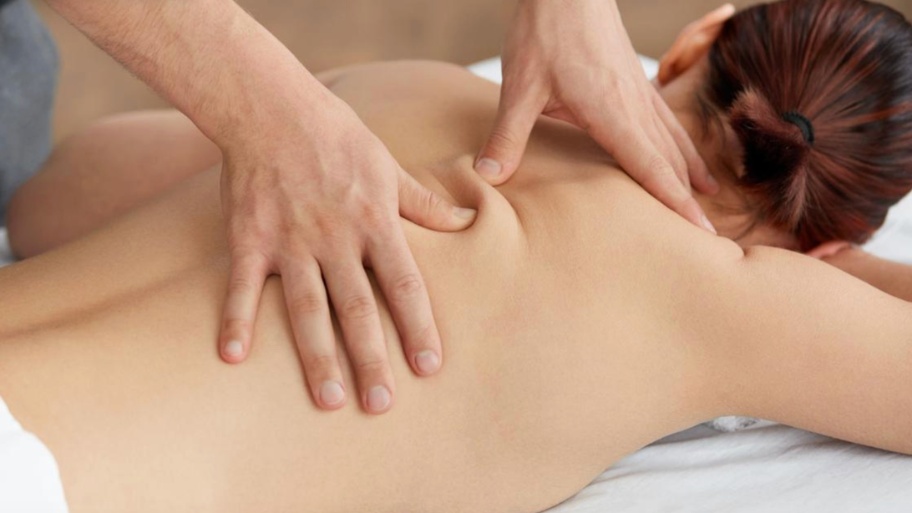
Massages help the body enter a natural state of calm, which explains why do massages feel so good. By stimulating the parasympathetic nervous system, gentle touch slows the heart, eases muscle tension, and signals the brain to relax, allowing both mind and body to unwind deeply and fully.

Physical benefits that create comfort
Massage brings noticeable physical benefits, which is part of the reason people feel so refreshed and comfortable during a session. It loosens tight muscles, improves blood circulation, and increases joint mobility, helping the body move more freely. These effects ease stiffness and soreness while leaving a lasting sense of lightness and well-being that makes the experience deeply satisfying.

Muscle tension relief
One of the reasons people feel so good during a massage is its ability to relieve muscle tension. Pressure on tight muscles increases blood flow, delivers oxygen and nutrients, and flushes out waste, allowing fibres to relax and reducing discomfort. It also helps break up adhesions, letting muscles stretch and move more freely for lasting relief and comfort.

Improved blood circulation
Massage helps improve blood circulation, a key factor that makes why massages feel good more than just a fleeting sensation. The gentle pressure and flowing movements push blood through muscles, bringing oxygen and nutrients while removing waste. This not only supports muscle recovery but also leaves the body feeling warm, energized, and fully relaxed.

Better body flexibility and movement
One subtle benefit of massage is gently increasing body flexibility and movement, helping people feel looser and more coordinated. Manual techniques warm up muscles and connective tissues, reduce tight spots, and ease resistance to stretch, allows joints and muscles to reach a broader range of motion with less discomfort. This makes everyday movements smoother and more comfortable part of why massages feel so good.

The psychological aspect of why massages feel so good
A massage session offers more than physical relief it also nurtures the mind and emotions, showing why does a massage feel good. Gentle, attentive touch creates comfort and connection, while the quiet environment lets the mind slow down. As tension eases, mood improves, emotions balance, and the mind feels clearer, leaving a sense of calm and restoration.
The power of human connection
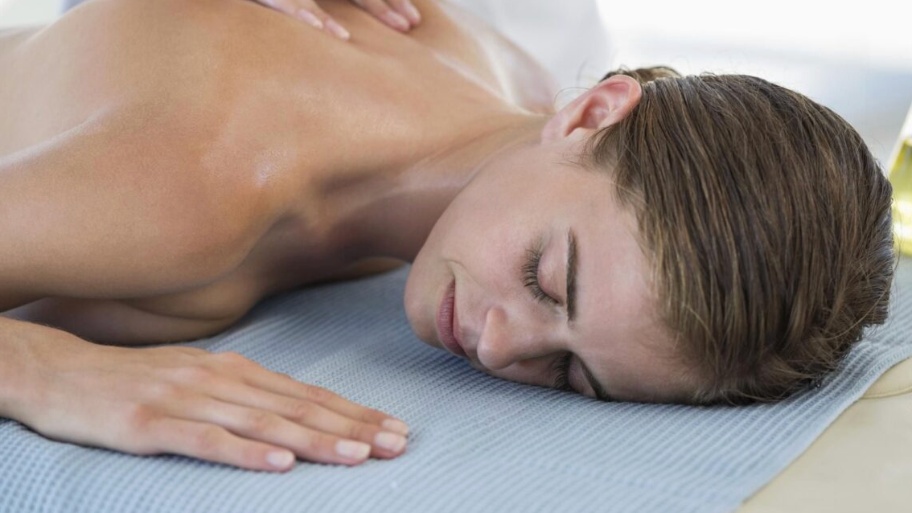
Therapeutic touch during a massage doesn’t just soothe muscles, it taps into our psychological need for connection. Studies show positive, attentive touch releases oxytocin, a hormone linked to trust and comfort, creating feelings of warmth and support beyond physical sensation. This sense of safety and connection is one reason many people realize why massages feel so good, emotionally.

Mental clarity and relaxation
Massage quiets mental chatter and promotes a calmer mind by lowering stress hormones like cortisol and boosting neurotransmitters that regulate mood and focus. As the body relaxes under skilled touch, the nervous system shifts to a restful state, leaving greater mental clarity and peace a key reason why does a massage feel good for both mind and body.

Better mood and emotional balance
Beyond physical effects, massage has significant benefits for emotional well‑being. Studies have found that massage boosts serotonin and dopamine brain chemicals associated with happiness and emotional stability while also helping people feel less anxious or overwhelmed. This biochemical shift supports a steadier mood and a sense of inner balance, contributing strongly to why massages feel so good emotionally and psychologically.

Environmental factors that enhance the massage experience
Creating the perfect environment can enhance a massage session, making it more effective and enjoyable while showing why do massages feel good. From soothing music and a quiet atmosphere to a comfortably warm room, every detail helps the body relax and respond better. Combined with professional techniques, these factors allow muscles and joints to move more freely, improving overall comfort.
Calming music and quiet atmosphere
Relaxing sounds and a quiet setting play a key role in helping the nervous system shift toward a more restful state, lowering stress and allowing deeper mental and physical relaxation. Gentle background music or ambient sounds can make clients feel more present and emotionally supported during the session, which is one important reason why do massages feel good.

Comfortable massage room temperature
Maintaining an optimal room temperature ensures muscles can relax fully and the body responds effectively to touch. Rooms that are too cold can cause tension, while overly warm spaces may cause discomfort. A balanced, comfortable temperature supports better circulation, muscle release, and overall ease.

Professional massage techniques
Skilled therapists use a variety of strokes and pressures tailored to the client’s needs, effectively reducing tension and promoting relaxation. Their expertise ensures that both muscles and the nervous system respond positively, enhancing physical comfort and mental ease. These well-applied techniques provide a deeply restorative experience for both body and mind.
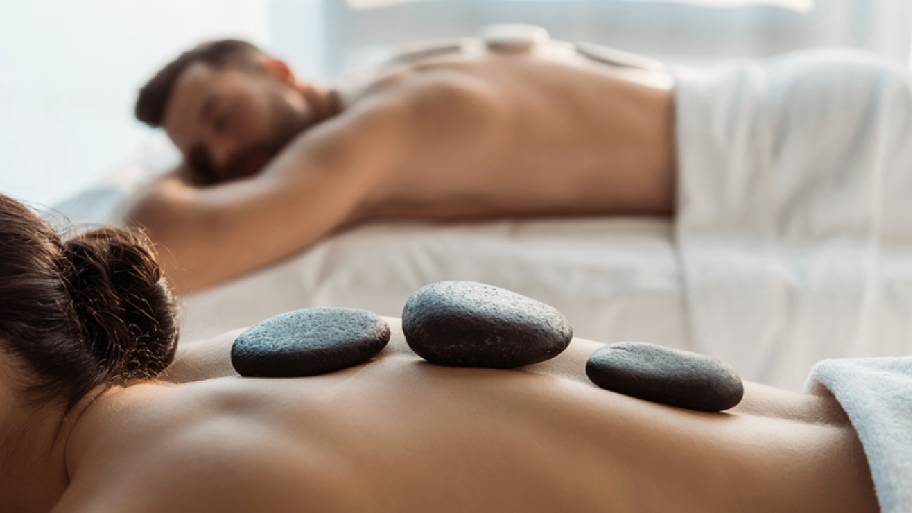
We hope this article helps you see why do massages feel good by explaining how each session benefits your body, mind, and emotions. To experience these benefits fully, visit Lotus Pearl Massage, where calming music, comfortable rooms, and professional techniques help you relax, recover, and feel completely cared for.


