


Muscle soreness after a massage can be surprising for many, especially when a treatment intended for relaxation can leave muscles aching, stiff, or even slightly sore. This unexpected discomfort often raises concerns about whether the massage was too intense or if something is wrong. In this article, Lotus Pearl Massage will help answer your questions and offer some tips to reduce muscle soreness after a massage.
Is muscle soreness after massage normal?
Muscle soreness after a massage is perfectly normal, especially if you’ve just had a deep tissue or high-intensity massage. During a massage, pressure is applied to the muscles to release tension, sometimes causing mild inflammation or sensitivity. This feeling is quite similar to the soreness after exercise or strenuous activity and usually appears within a few hours of the treatment.

In fact, it’s a sign that your muscles are reacting to the treatment and beginning the recovery process. However, if the pain is severe or lasts for more than a few days, you should pay closer attention. Knowing how to relieve pain after a massage can help you recover faster and feel more comfortable.
Why you experience muscle soreness after massage
Massage is designed to relax your body, but it can also trigger temporary discomfort if your muscles are not used to being manipulated. Understanding the causes behind muscle soreness after massage will help you feel more at ease and know what to expect during recovery. Below are some of the most common reasons why this sensation occurs.
Muscle manipulation and tissue release
One of the main reasons for muscle soreness after a massage is the direct impact on soft tissues. The soft tissues in our bodies are quite sensitive and rarely get stressed. During a massage, the therapist applies pressure to the soft tissues. This process can create tiny tears in the muscle fibers, similar to what happens during exercise. As your body tries to repair these muscle fibers, you may experience soreness or stiffness.

Two types of massage—deep tissue massage and sports massages—are considered the main causes of this phenomenon due to their intensity. Although it feels uncomfortable, it’s actually part of the healing process. Releasing long-accumulated tension allows muscles to return to a more natural state. Improved blood flow also brings oxygen and nutrients to the affected areas. However, your body still needs time to adapt to these changes. This type of discomfort is usually temporary and manageable.
Temporary inflammation response
Another common cause of muscle soreness after a massage is the body’s natural inflammatory response. When strong pressure is applied to strained or injured muscles, it can stimulate the immune system. This leads to a mild inflammatory response as the body begins to repair the affected tissues. Inflammation in this case is not harmful but a protective mechanism. It helps remove waste products and supports tissue recovery.

You may notice some swelling, pain, or warmth in the treated areas. However, these symptoms usually only last for a relatively short time and subside within a few days. The level of inflammation will usually depend on the type of massage and your health condition. Those new to massage may experience a stronger reaction. Although temporarily uncomfortable, this process contributes to long-term muscle health. It signals that your body is actively healing and adapting.
Dehydration and its effect on muscles
Dehydration is often overlooked but plays a significant role in causing muscle soreness after a massage. When the body is dehydrated, muscles are more prone to stiffness and cramps. Without sufficient water, waste products are not effectively eliminated. This can lead to increased soreness and fatigue after the treatment. Water also helps maintain muscle elasticity and flexibility. Staying hydrated is one of the simplest ways to care for your body. It ensures you maximize the benefits of a massage.

Pre-existing muscle tension
Muscle soreness after a massage is sometimes related to pre-existing tension in your body. If you are stressed or tired, your muscles will be tense for an extended period, and releasing that tension can initially be uncomfortable. This is because the muscles are not used to being relaxed or stretched. The deeper the tension, the stronger the reaction. In some cases, you may not even realize how tense your muscles have been until after the treatment.

The soreness is a sign that those areas have been activated and are beginning to recover. Gradually, subsequent massages will lessen this discomfort. Your muscles will gradually become more flexible and responsive. Addressing the pre-existing tension is key to long-term pain relief. Temporary soreness is often part of that process.
Sensitivity to massage pressure
Each person’s body reacts differently to massage because everyone’s constitution is unique. Furthermore, sensitivity to pressure is also a crucial factor. Some people are naturally more sensitive to pressure or have a lower pain tolerance. If the pressure used during a massage is too strong, it can lead to increased pain afterward. This is especially true if you are new to massage therapy. Even moderate pressure can cause discomfort in certain areas.
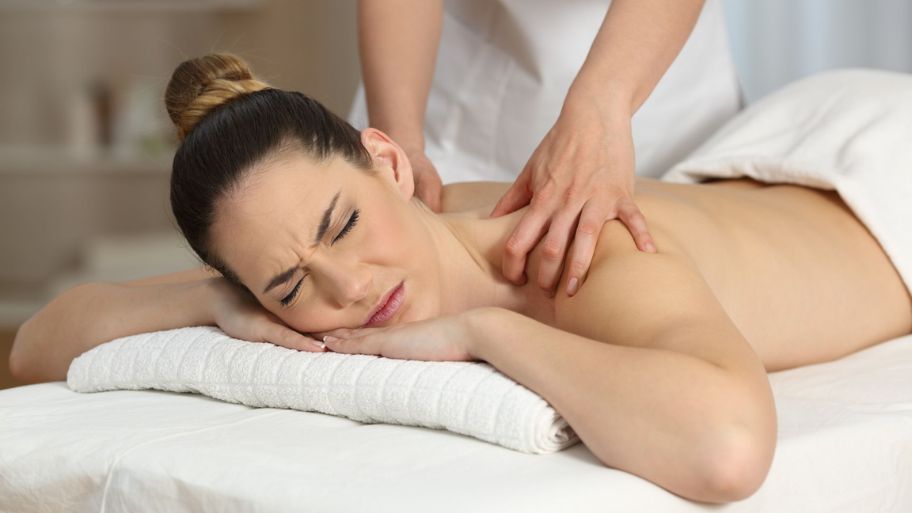
Sensitivity can also vary depending on your physical condition or stress levels. Understanding your limits helps prevent excessive pain. Over time, your body can adapt to the pressure. Finding the right balance is key to enjoying the benefits without causing unwanted pain.
How to relieve pain after massage
After a massage, taking the right steps can make a big difference in how your body feels during recovery. While some discomfort is normal, proper care will help reduce muscle soreness after massage and improve your overall experience. Below are effective ways to support your body and ease any lingering pain.
Stay hydrated
Drinking enough water is one of the simplest yet most effective ways to support recovery. After a massage, your body works to flush out metabolic waste released from the muscles. Without proper hydration, these toxins can linger and contribute to discomfort. Staying hydrated helps improve circulation and keeps your muscles flexible. It also reduces the risk of stiffness and fatigue following a session.

If you’re wondering how to relieve pain after massage, increasing your water intake should be your first step. Aim to sip water consistently throughout the day rather than drinking large amounts at once. Herbal teas or electrolyte drinks can also be helpful in maintaining balance. Proper hydration supports faster muscle repair and recovery. It ensures your body can fully benefit from the massage. Making this a habit will improve your overall wellness routine.
Gentle stretching after massage
Gentle stretching exercises can help maintain the flexibility gained during a massage. They promote blood circulation and prevent muscles from stiffening again. However, it’s crucial to perform these movements gently and with control. Overstretching can actually worsen post-massage muscle soreness instead of relieving it. Focus on slow, steady stretches targeting the massaged areas. Gentle care will help your muscles recover more comfortably.

Take a warm bath or shower
A warm bath is a very effective way to relax tired muscles after a massage. The warmth helps improve blood circulation and loosen muscle fibers, reducing tension and discomfort. This method is especially effective if you feel stiff or slightly sore. Warm water also helps relax and improve overall mood. If you’re looking for pain relief after a massage, this is a simple and easy option.

However, avoid water that’s too hot as it can increase inflammation. Soaking in warm water for 15 to 20 minutes is usually sufficient. This allows muscles to relax and recover naturally. It’s a great way to prolong the effects of a massage.
Use heat or cold therapy
Applying heat or cold to the affected area can effectively help manage pain. Cold therapy is helpful in reducing inflammation and numbing sensitive points. This method is most effective within the first 24 hours if the pain is severe. On the other hand, heat therapy helps relax tense muscles and improve blood circulation. The choice of method depends on how your body feels. This is a practical way to alleviate discomfort at home.

Rest and allow your body to recover
Rest is essential for your body to fully recover after a massage. It may be tempting to jump back into a busy routine, giving your muscles time to heal is important. During rest, your body repairs tissues and restores balance. If you’re unsure how to relieve pain after massage, sometimes the best solution is simply to slow down. Make sure you get enough sleep and avoid overexertion. Relaxation also helps reduce stress, which can contribute to muscle tension.

Light physical activity
Gentle exercise can help muscles recover faster. Some gentle movements like walking or yoga help blood circulate without putting too much pressure on the body. This helps deliver oxygen and nutrients to the muscles, supporting the recovery process.

Complete inactivity can sometimes worsen muscle soreness after a massage. It’s important to avoid high-intensity exercises or heavy lifting. Keeping things light and balanced will support a faster and more comfortable recovery.
When should you talk to your massage therapist?
Knowing when to communicate with your massage therapist is just as important as the massage itself. Open communication helps ensure your experience is both safe and effective, especially if you’re dealing with muscle soreness after massage or unusual discomfort. Here are the key moments when you should speak up.
- When the pressure feels too intense or too light: If the pressure causes pain instead of relief, let your therapist know immediately so they can adjust it to your comfort level.
- If you feel sharp or unusual pain: Soreness can be normal, but sharp or lingering pain is not—speaking up helps prevent potential injury.
- When you have pre-existing injuries or conditions: Always inform your therapist about any health issues so they can tailor the session safely and appropriately.
- If soreness lasts longer than expected: If your discomfort continues beyond 2–3 days, it’s a good idea to ask for advice on recovery or technique adjustments.
- When you’re unsure how to relieve pain after massage: Your therapist can recommend personalized aftercare tips to help your body recover faster and more comfortably.

Above are some ways to recover from muscle soreness after massage that Lotus Pearl Massage has compiled and shared with you. Hopefully, this information is useful to you, helping you to alleviate muscle pain after a massage. Follow manamamassage.com for more helpful articles. Don’t forget to contact us for more detailed advice if you need a massage.


