


Massage for muscle tension are becoming increasingly popular for those facing daily stress, stiffness, and physical discomfort. In this article, Lotus Pearl Massage will explore how it works and what you need to know before you begin.
What is muscle tension?
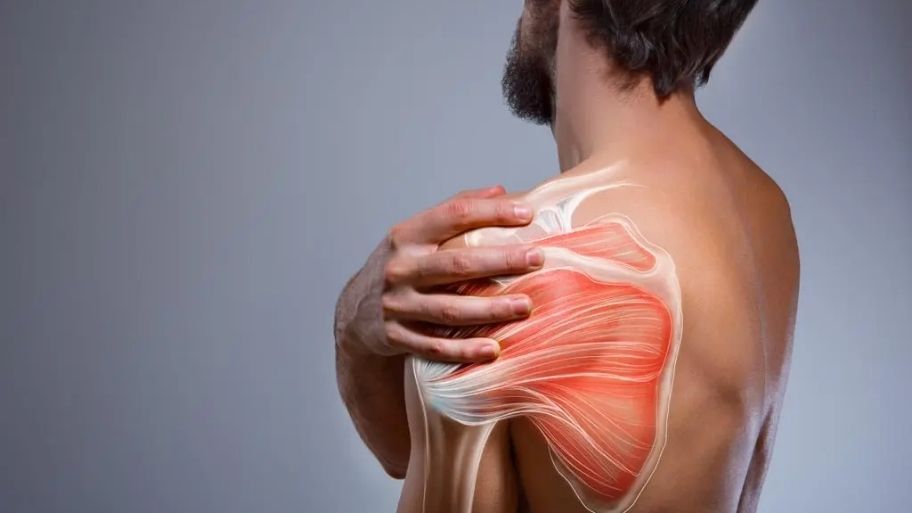
Muscle tension is a condition where muscles remain partially contracted for an extended period. This often occurs due to stress, poor posture, overuse, or lack of movement throughout the day. As muscle tension builds up, muscles may feel stiff, sore, and have limited range of motion. Muscle tension is the body’s natural response to physical or mental stress, but when it becomes chronic, it can affect daily activities.
Why massage for muscle tension is effective
Massage is widely recognized as an effective way to ease physical discomfort, especially when it comes to tight and overworked muscles. By targeting specific areas of tension, it helps the body recover naturally and feel more balanced. Below are the key reasons why this method works so well.
Releases tight and contracted muscles
One of the benefits of massage for muscle tension is its ability to directly target tense and stiff muscles. Through consistent, rhythmic pressure and movement, massage helps to loosen muscle fibers stuck in a shortened state. This reduces stiffness and allows muscles to return to their normal length. Over time, it can also help prevent the formation of muscle lumps.
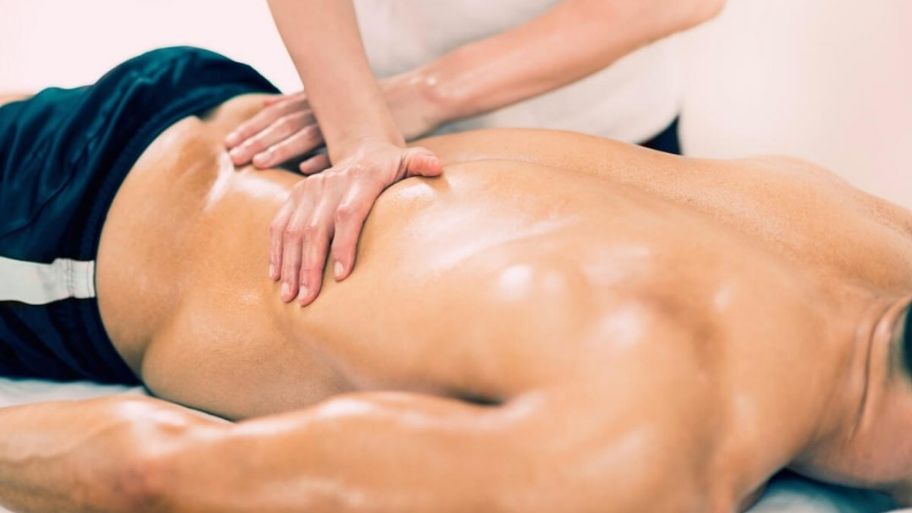
People with chronic muscle tension often notice immediate pain relief after a session. The body feels lighter and less restricted in movement. This process also helps reduce the buildup of tension in specific areas. As tension is released, overall muscle function improves. Regular sessions can maintain this relaxed state for longer. It’s a natural and effective way to restore comfort.
Improves blood circulation
Another reason massage for muscle tension is effective lies in its ability to improve blood circulation. The pressure applied during massage stimulates blood flow to the affected areas. This increased circulation delivers more oxygen and nutrients to the muscle tissues. At the same time, it helps remove waste products that can cause discomfort.
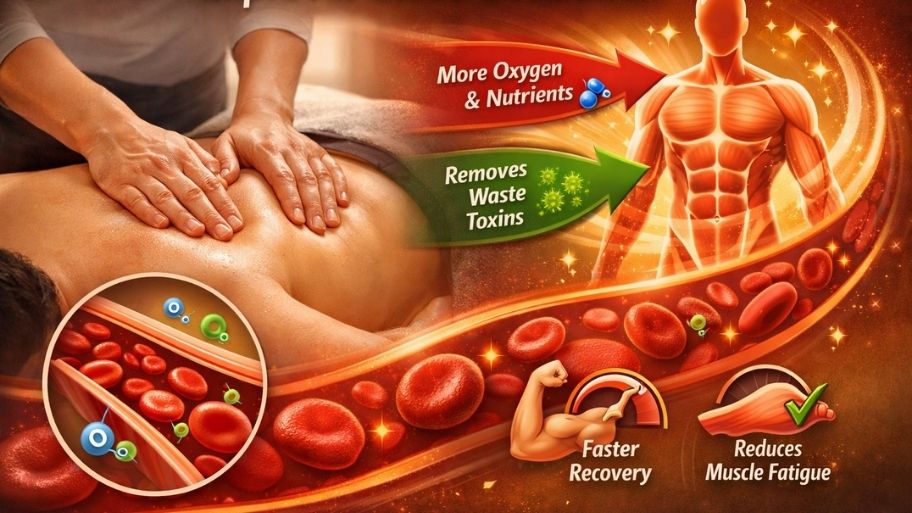
Better blood circulation supports faster recovery and reduces muscle fatigue. Improved blood circulation also enhances the body’s self-healing process, which plays a crucial role in maintaining muscle health.
Reduces stress and promotes relaxation
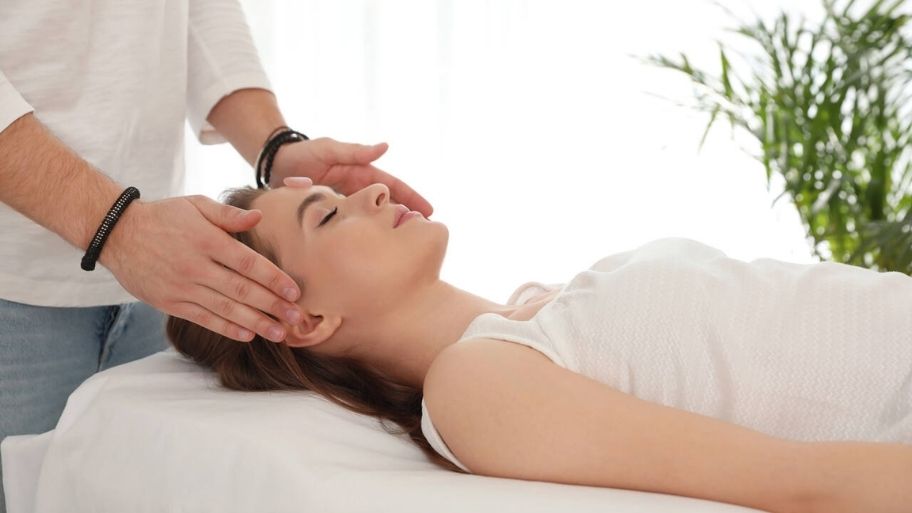
Stress is considered a major cause of muscle tension, and massage helps address this at its root. Muscle tension relief massage works by calming the nervous system and reducing levels of stress hormones. When the body relaxes, the muscles naturally loosen as well. This creates a positive cycle, where reduced stress leads to reduced physical tension. Regular massage can help manage stress long-term. This makes it a valuable tool for both physical and mental well-being.
Improves mobility and flexibility
Muscle stiffness restricts the body’s freedom of movement, and massage can help restore that mobility. With massage for muscle tension therapy, muscle fibers are gently stretched and loosened. This improves flexibility and makes performing daily activities easier.
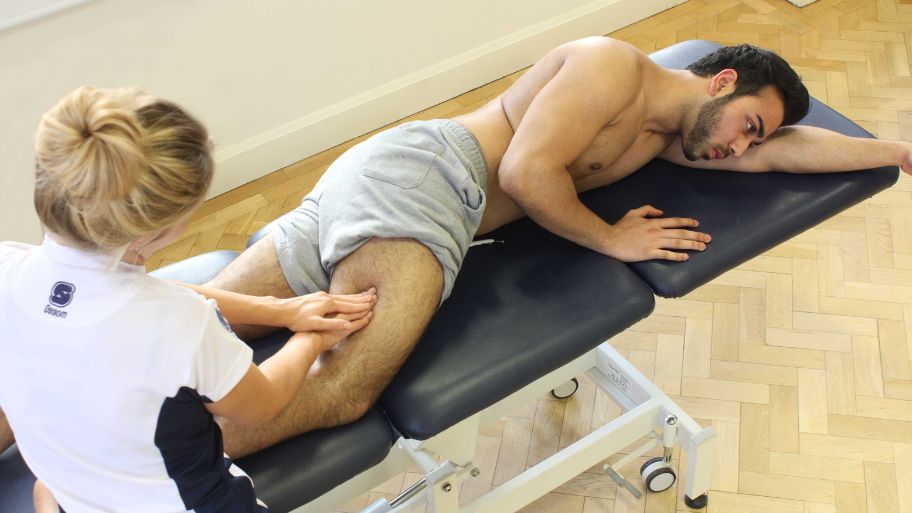
People who sit for long periods often benefit greatly from this effect. Massage helps combat joint stiffness caused by inactivity. Over time, joints and muscles begin to move more smoothly. This leads to better posture and overall body balance. Improved flexibility also enhances physical performance. This is a significant benefit for both active and sedentary individuals.
Provides natural pain relief
Massage therapy offers a natural method for pain relief without the need for medication. Massage helps reduce muscle tension by relaxing stiff muscles and improving blood circulation. It also stimulates the release of endorphins, the body’s natural painkillers. This combination helps alleviate both acute and chronic pain.
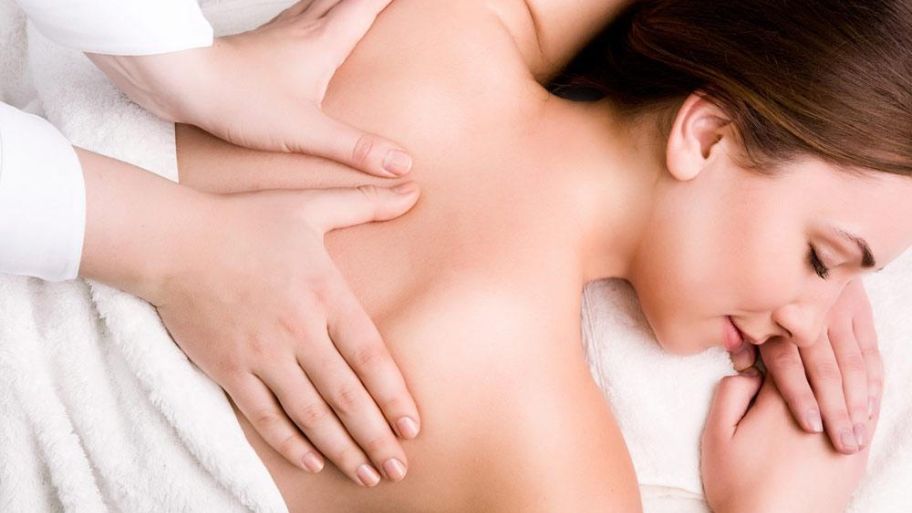
Unlike temporary solutions, massage addresses the root cause of pain. It promotes healing rather than masking symptoms. This makes massage a safe and effective option for pain management.
Best types of massage for muscle tension
Choosing the right type of massage plays an important role in effectively relieving muscle tightness and discomfort. Each method focuses on different techniques and pressure levels, making it suitable for specific needs. Below are some of the best options to consider when dealing with muscle tension.
Deep tissue massage
Deep tissue massage is a technique that focuses on the deeper layers of muscle and connective tissue. This technique uses slow, firm pressure to target chronic muscle tension and stubborn muscle groups that are difficult to release. It primarily focuses on specific problem areas rather than the entire body. While it may feel intense, the results are usually noticeable in terms of reduced stiffness and improved mobility.
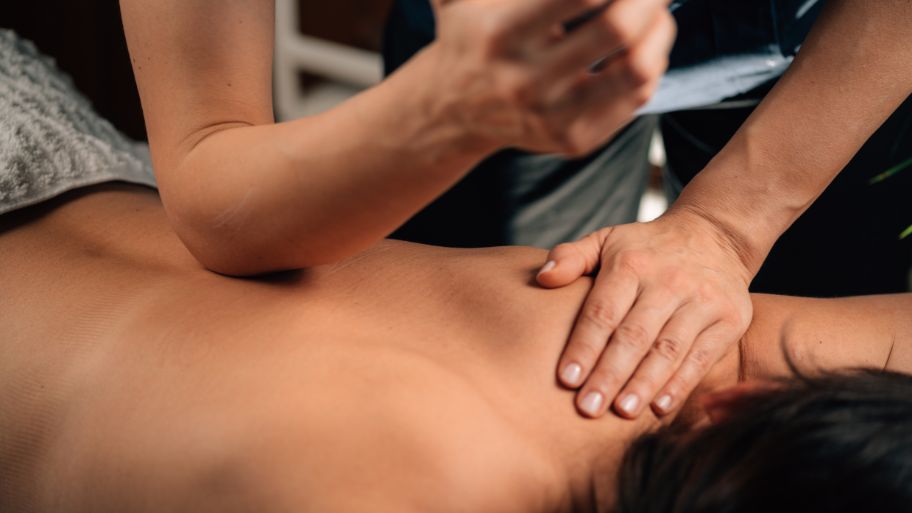
Deep tissue massage is often recommended for individuals with posture problems or injuries from repetitive strain. It helps break down adhesions and restore normal muscle function. However, some soreness may occur after the treatment due to its intensity.
Swedish massage
Swedish massage is considered one of the most popular and gentle forms of massage therapy. It includes long, flowing strokes, kneading, and circular movements to relax the body. This type of massage is extremely suitable for those new to massage or those who prefer a gentler approach.
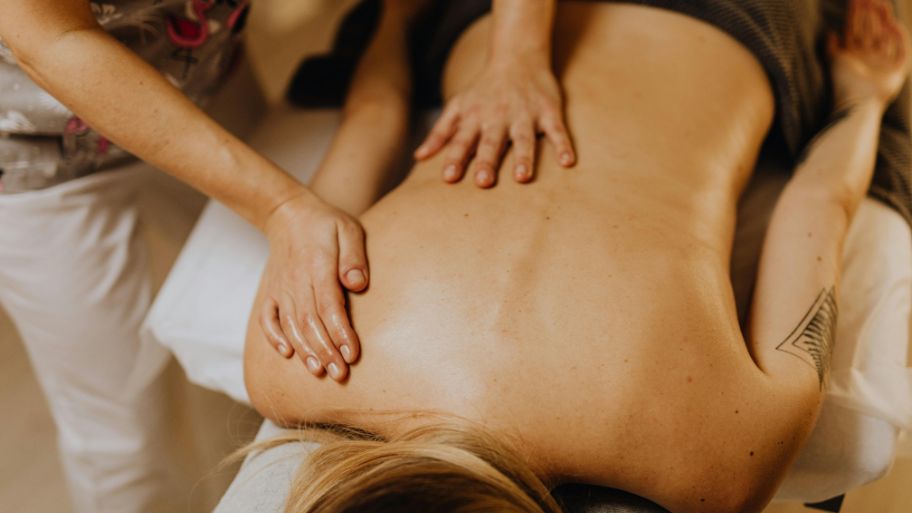
Swedish massage primarily focuses on improving blood circulation and promoting overall relaxation. While it cannot directly target deep muscle tension points, it is still effective in relieving mild muscle tension. It is a great option for maintaining overall health and preventing stress buildup. Many people choose Swedish massage for its soothing and refreshing effects.
Myofascial release
Muscle release is a specialized technique targeting the fascia, a connective tissue that surrounds muscles. When the fascia is tense or restricted, it can cause discomfort and limit movement. This method uses gentle, continuous pressure to stretch and release these restrictions.

Unlike other types of massage, it focuses more on precise, slow movements rather than rhythmic rubbing motions. Muscle release is particularly effective for people with chronic pain or limited mobility. It helps improve posture and restore natural movement patterns. It is often used as part of a rehabilitation or treatment plan.
Sports massage
Sports massage is specifically designed for active individuals or athletes. It incorporates various techniques to prevent injuries, improve performance, and aid recovery. This type of massage can be adapted depending on whether it’s performed before or after physical activity. It typically includes stretching, deep pressure, and targeted manipulation of overused muscles.
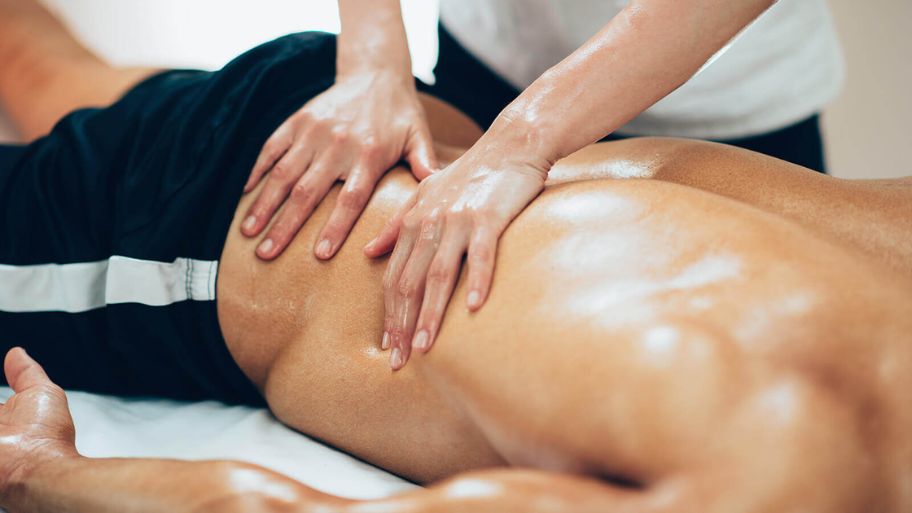
Sports massage is effective in relieving muscle tension caused by repetitive movements or high-intensity training. It’s a practical option for maintaining healthy and balanced muscles.
How often should you get a massage for muscle tension?
The frequency of getting a massage for muscle tension depends on your lifestyle, stress level, and how severe your muscle tightness is. For general maintenance, a session once every 2 weeks is usually enough to keep muscles relaxed and prevent tension buildup.
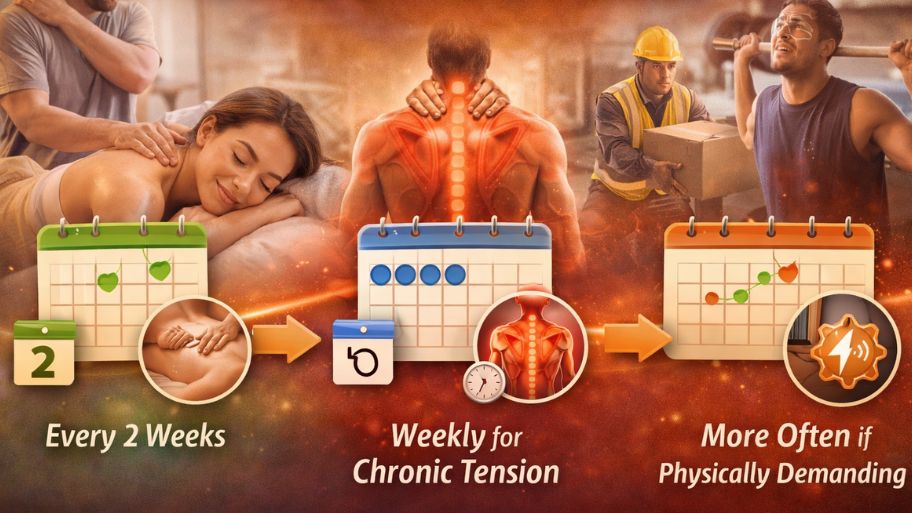
If you’re dealing with chronic stiffness or pain, weekly massages may be more beneficial in the short term. People with physically demanding jobs or intense workouts might also need more frequent sessions. It’s important to listen to your body and adjust accordingly. Finding the right balance will help you maintain long-term comfort and flexibility.
What to expect during a massage for muscle tension
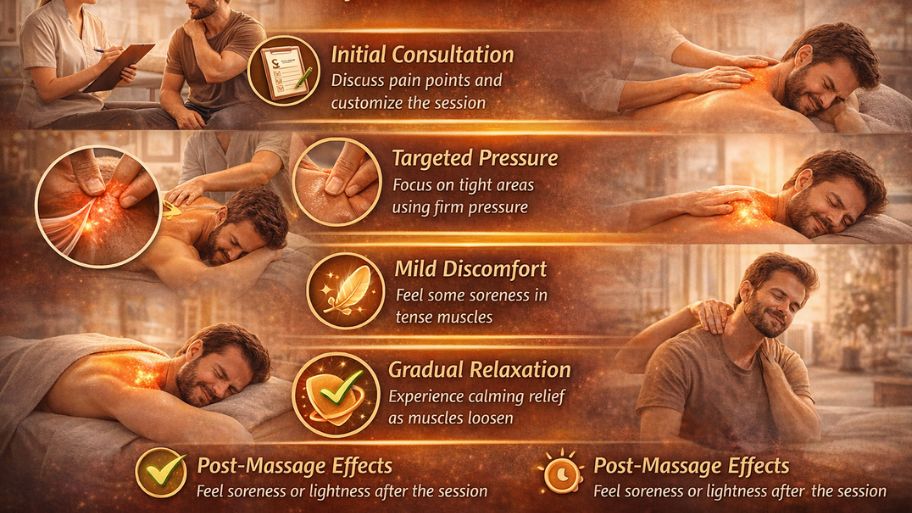
Understanding what to expect during a massage session can help you feel more comfortable and prepared. When you know what to expect, the experience becomes more relaxing and effective, especially if it’s your first time trying massage for muscle tension. Here are some common things you may experience.
- Initial consultation with the therapist: Before starting, your therapist will ask about your pain points and lifestyle to tailor the massage for muscle tension to your needs.
- Targeted pressure on tense areas: The therapist will focus on tight spots using appropriate pressure to release knots and improve muscle function.
- Mild discomfort in tight muscles: You may feel slight soreness when pressure is applied, especially in areas with built-up tension.
- A gradual feeling of relaxation: As the session continues, your body will begin to relax, and muscle tightness will slowly decrease.
- Post-massage soreness or lightness: After the massage for muscle tension, it’s normal to feel a bit sore or, on the contrary, noticeably lighter and more flexible.
Lifestyle tips to prevent muscle tension
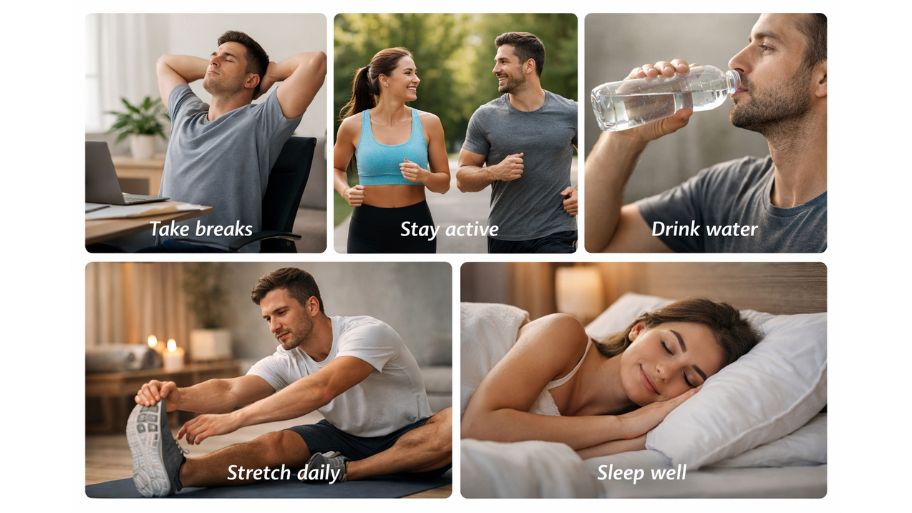
Preventing muscle tension is not just about occasional treatments, it also depends on your daily habits and lifestyle. Consistent changes can make a big difference in keeping your muscles balanced. Here are some practical tips to help you reduce and prevent tension in the long run.
- Take frequent breaks if sitting for long periods: Sitting in one position for too long can cause joint stiffness and poor blood circulation. Short breaks to stretch or walk around help activate muscles and prevent stiffness.
- Maintain physical activity: Regular exercise keeps muscles supple and improves overall strength. Activities such as walking, yoga, or light exercise can reduce the risk of muscle strain.
- Drink enough water daily: Water plays a crucial role in maintaining muscle elasticity and function. Adequate hydration helps prevent cramps, stiffness, and muscle discomfort.
- Stretch regularly: Gentle stretching with simple exercises helps release tense muscles and improve flexibility. Making this a daily habit can prevent stress buildup over time.
- Get enough sleep and good quality sleep: Sleep allows the body to recover and repair muscle tissue. Insufficient sleep can increase stress levels and make muscles more prone to stiffness and discomfort.
Above is the information about massage for muscle tension that Lotus Pearl Massage has shared with you. Hopefully, this useful information will give you a more comprehensive understanding of this massage method. Follow manamamassage.com to see more interesting articles. Don’t forget to contact us for more detailed advice if you need a massage.


