


Breathing during massage could be the key to a deeper, more relaxing experience. What makes it so effective, and how can simple breathing techniques transform your sessions? From releasing hidden tension and reducing stress to improving oxygen flow and enhancing body awareness, mindful breathing can elevate every massage. Join Lotus Pearl Massage to explore the benefits and learn techniques to maximize your relaxation.
Why breathing matters during a massage
Breathing plays a vital role in any bodywork session, including massage. The way you breathe can make the difference between a regular massage and one that truly restores your body and mind. Mindful breathing helps relax muscles, ease tension, and prepare your body to fully enjoy the benefits of the massage. Here’s why it matters:
- Promotes Relaxation: Taking slow, steady breaths helps your body enter a state of calm. The rhythmic inhale and exhale lower heart rate, reduce blood pressure, and ease muscle tension, preparing you to fully enjoy the massage.
- Boosts Oxygen Flow: Proper breathing ensures your muscles get enough oxygen, making them more flexible and responsive. This allows tension to be released more effectively during the massage.
- Supports Detoxification: Many massage techniques aim to help the body eliminate toxins. When your therapist works on your muscles, correct breathing assists your body in flushing out these toxins more efficiently.
- Eases Discomfort: At times, massage may target tight knots or sensitive areas. Breathing deeply through these moments can help reduce discomfort and make the experience more manageable.
How to practice deep breathing during massage
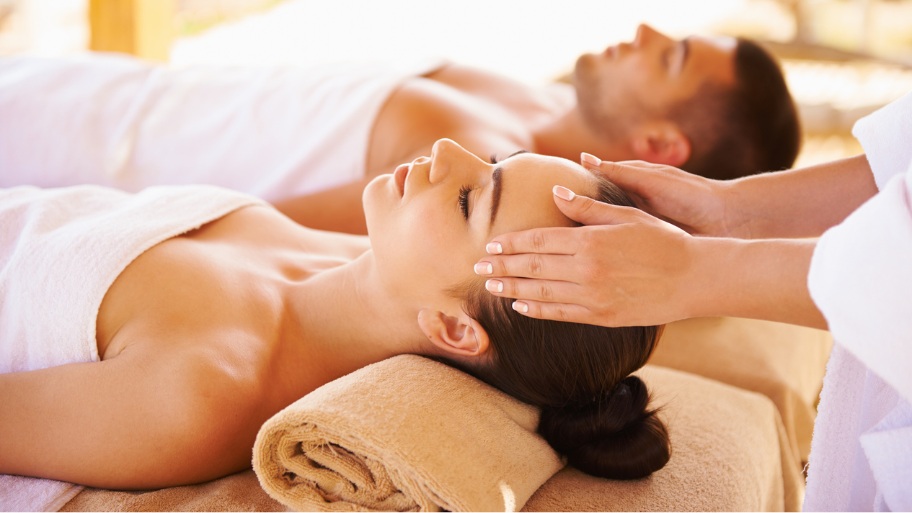
Mastering deep, mindful breathing can elevate your massage experience. By focusing on your inhaling and exhaling, fully engaging your lungs, and syncing your breath with the massage movements, your body can relax more completely and respond more effectively. To help you get the most out of every session, here are some techniques you can start practicing during your massage.
Focus on exhaling when pressure is applied
Exhaling when pressure is applied allows muscles to release tension more effectively. Many people unconsciously hold their breath under pressure, which makes muscles tighten and reduces the massage’s impact. Breathing during massage with conscious exhalation signals the nervous system to relax, letting each stroke work deeper and more efficiently.
Use diaphragmatic breathing
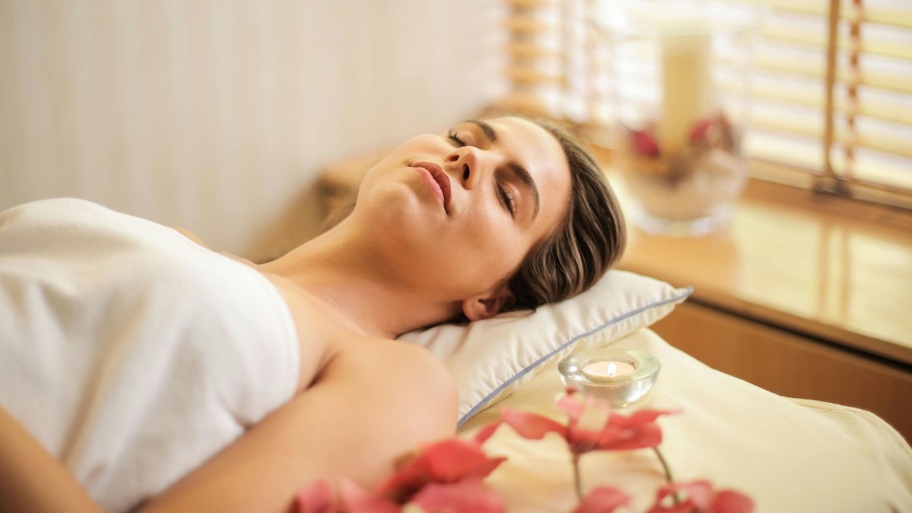
Practice deep breathing in massage by breathing into your diaphragm instead of your chest. Let your belly rise as you inhale and gently fall as you exhale, keeping your breath slow and steady. This form of breathing during massage allows your body to take in more oxygen, relax more deeply, and release tension more effectively, enhancing the overall benefits of breathing during massage.

Coordinate breath with massage rhythm
Try to match your breathing with the rhythm of the massage. Inhale as your body prepares, and exhale as pressure is applied, allowing your muscles to release more naturally. This mindful deep breathing in massage creates a smooth, natural flow, helping your body relax more deeply and respond better to each movement.
Avoid holding your breath
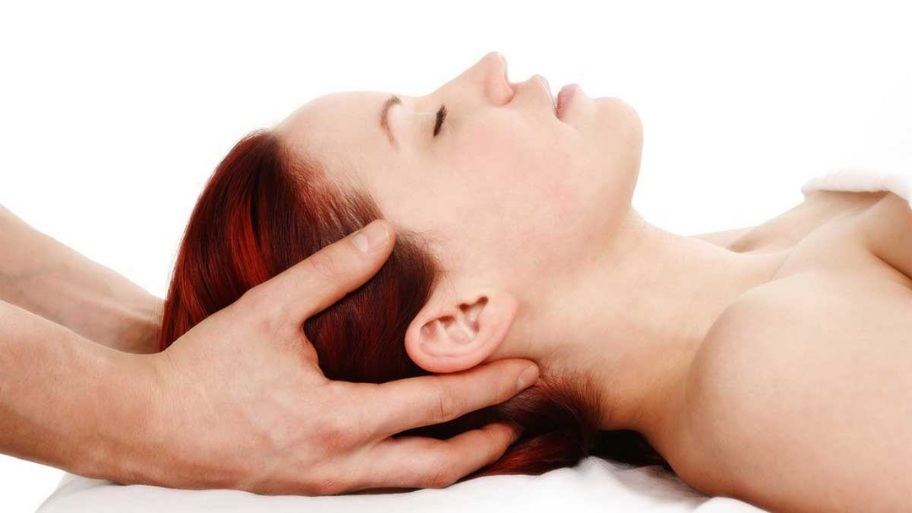
Holding your breath often happens when pressure hits a tight spot, like your shoulders or lower back. But when you stop breathing, muscles tighten and resist the pressure, making it feel more painful. Instead, keep your breath slow and steady. This way of breathing during massage helps muscles release naturally and improves the benefits of breathing during massage.

Good tips to enhance breathing in massage
Breathing during a massage doesn’t need to be complicated, but small adjustments can make a big difference. By improving how you breathe, you can help your body relax faster, respond better to pressure, and maximize the benefits of the session. Here are some practical tips to enhance your breathing during massage:
- Stay aware of your natural breath: Before trying to control your breathing, simply notice how you’re breathing. This awareness helps your body relax naturally and prevents forced or uneven breathing patterns.
- Keep your breath slow and steady: Maintaining a calm, rhythmic breath helps regulate your nervous system and keeps your body in a relaxed state, allowing muscles to release tension more effectively.
- Use deep breathing techniques: Practicing deep breathing in massage, especially diaphragmatic breathing, increases oxygen flow and supports deeper relaxation throughout the session.
- Breathe through discomfort: When the massage reaches tight or sensitive areas, avoid tensing up. Instead, continue breathing steadily to help your body adapt to the pressure and reduce discomfort.
- Practice regularly outside sessions: Improving your breathing during massage becomes easier when you practice mindful breathing in your daily routine, helping your body relax more quickly each time.
Benefits of breathing during massage
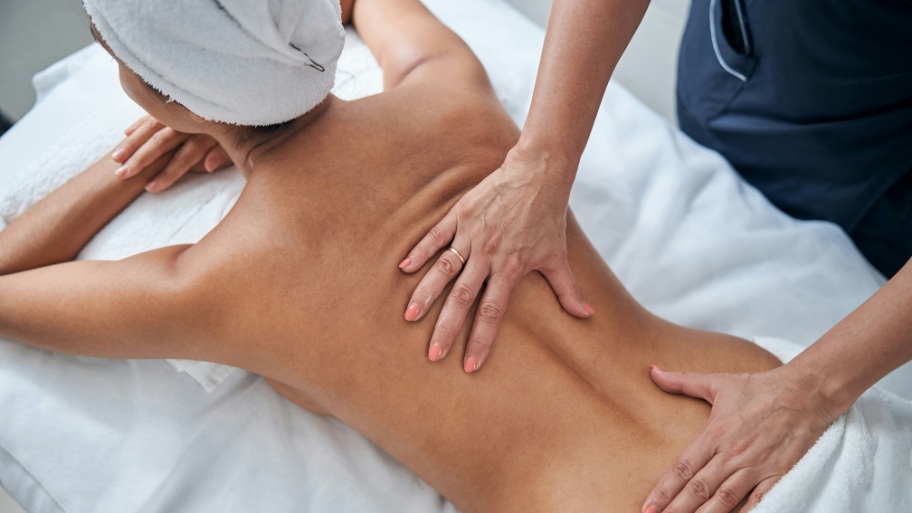
Breathing has a direct impact on how your body experiences a massage. When your breath is slow and controlled, it helps muscles release tension more easily, supports better circulation, and keeps your body in a relaxed state. At the same time, mindful breathing can reduce stress and improve body awareness, making each movement more effective. Here are some key benefits you can experience.
Helps muscles release tension
Slow and controlled breathing during massage helps activate the parasympathetic nervous system, which signals muscles to relax instead of contract. Studies in bodywork and pain response show that when breathing is steady, muscle fibers are less likely to resist pressure. This allows the therapist to work deeper into tight areas without triggering a protective reflex, leading to a more effective release of tension.
Supports stress reduction
Research on slow breathing indicates it can lower cortisol levels and calm the nervous system. When applied as deep breathing in massage, this effect is amplified by physical touch, creating a combined relaxation response. This is why clients often feel both mentally lighter and physically calmer after a session with mindful breathing.

Improves oxygen circulation
Deep breathing in massage increases oxygen intake and enhances blood circulation, which is essential for muscle recovery. Oxygen-rich blood helps flush out metabolic waste such as lactic acid, reducing stiffness and soreness. This is one of the key physiological benefits of breathing during massage that directly impacts how your body feels afterward.

Enhances body awareness
Mindful breathing during massage increases the connection between the brain and the body. Research in mindfulness practices shows that focusing on breath improves proprioception your awareness of body position and tension. This allows you to recognize tight areas more clearly and respond by relaxing them instead of unconsciously holding tension.
Contributes to lower blood pressure
Controlled breathing has been shown to reduce heart rate and lower blood pressure by regulating the autonomic nervous system. During massage, this effect becomes more noticeable as the body is already in a relaxed state. Consistent breathing during massage can therefore support cardiovascular health while enhancing the calming effects of the session.
Through this article, breathing during massage is shown to play a key role in transforming your overall experience. We hope you’ve discovered how mindful breathing helps you relax more deeply, release tension more effectively, and fully enjoy each session. At Lotus Pearl Massage, we’re here to guide you toward a more complete and restorative journey every time you visit.


