


The history of massage dates back thousands of years, developing from ancient civilizations. In various cultures, massage has been used to promote relaxation, relieve pain, and support overall health. Let’s explore the history of massage in more detail with Lotus Pearl Massage in the article below.
Introduction to the history of massage
The concept of massage dates back thousands of years. It was an essential part of healing traditions in many ancient cultures. By exploring the history of massage, we can see how different civilizations developed unique techniques based on their medical beliefs and knowledge.

Over time, these methods have been refined and adapted, leading to the modern massage therapies we know today. This historical journey underscores the importance of touch in promoting physical and mental well-being. It also shows that massage continues to play a vital role in healthcare and relaxation practices worldwide.
Ancient origins of massage
As mentioned earlier, massage therapy originated in several ancient civilizations around the world, where it was used as a natural method for healing and relaxation. Exploring the history of massage reveals how ancient cultures developed unique techniques, and how these techniques continue to influence modern practices today.
Early practices in ancient Egypt
Ancient Egypt is one of the earliest places to record massage techniques. Tomb murals depict people being treated with techniques similar to massage and acupressure. These techniques were believed to promote healing, improve blood circulation, and support overall health.
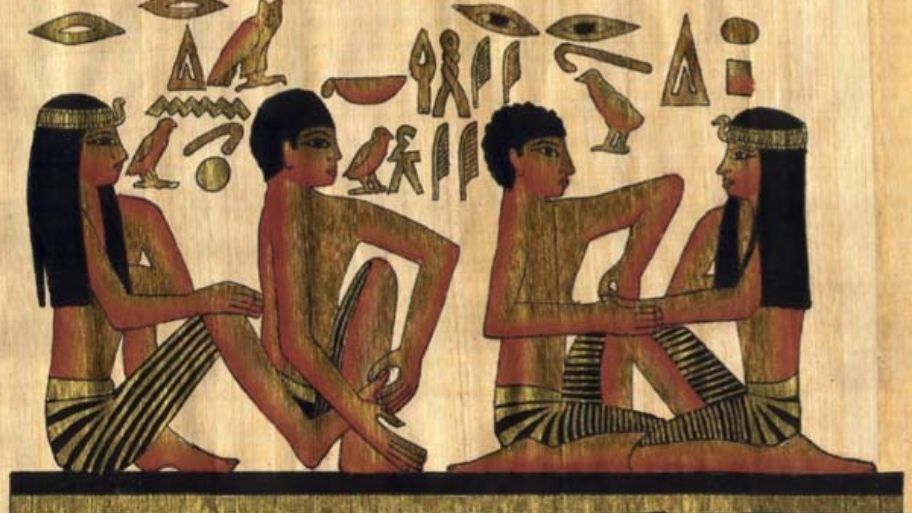
In the history of massage, Egyptian massage stands out for its combination of physiotherapy and spiritual beliefs. Massage was often used in conjunction with herbal remedies and other medical practices. This early combination demonstrates the importance of body care in the ancient healthcare system.
Traditional Chinese massage techniques
Traditional Chinese massage, known as Tui Na, has been practiced for thousands of years as part of Traditional Chinese Medicine. It focuses on balancing the body’s energy flow, or Qi, through specific pressure points and movements.

Understanding the history of massage includes recognizing how Chinese practitioners linked massage to internal health and disease prevention. These techniques were used not only to treat pain but also to maintain overall harmony in the body. Over time, they influenced many other Asian healing practices. Today, Tui Na remains a key part of holistic medicine.
Ayurvedic massage in ancient India
In ancient India, massage was an essential part of Ayurveda, a holistic healing system developed over 3,000 years ago. Ayurvedic massage uses warm herbal oils tailored to each individual’s body type, or dosha, to restore balance and health.

The history of massage shows that this practice is deeply connected to both physical and mental health. It is often used to detoxify the body, improve blood circulation, and boost energy. These techniques are often passed down through generations as part of a daily self-care routine. Even today, Ayurvedic massage continues to be widely practiced throughout the world.
From the Renaissance to modern massage therapy
After periods of decline, massage gradually regained recognition and evolved into a structured therapeutic practice. Exploring the history of massage during this era shows how cultural shifts and scientific advancements helped shape modern massage therapy as we know it today.
Revival During the Renaissance
During the Renaissance, interest in science, anatomy, and the human body was rekindled throughout Europe. This period encouraged more systematic research into healthcare methods, including massage. Doctors began re-examining ancient Greek and Roman texts, reintroducing massage as a legitimate therapeutic method.

In the history of massage, the Renaissance marked a turning point, where traditional knowledge was rediscovered and refined. Massage began to gain recognition within the early medical community. This revival laid the foundation for its future development in Western medicine.
Advancements in the 19th century
The 19th century witnessed significant advances in massage therapy, particularly the development of the Swedish massage method pioneered by Per Henrik Ling. His method combined scientific principles with systematic techniques such as gentle rubbing (effleurage) and kneading (petrissage).

The history of massage during this period shows a shift towards standardized methods and formal training. Massage became increasingly widely accepted in Europe and several other countries outside of Europe as part of physiotherapy. It was also used to treat injuries and improve physical function. These advances helped establish massage as a professional occupation.
Expansion in the 20th century
By the 20th century, massage therapy had rapidly developed and spread throughout Europe and the United States. It began to be integrated into hospitals, rehabilitation centers, and sports medicine. The history of massage during this period shows a growing recognition of its medical benefits.

New techniques and expertise were also developed to address various health problems. Massage also became more accessible to the general public, not just patients. This period helped bridge the gap between traditional healing methods and modern healthcare.
Modern massage practices today
Today, massage therapy has become a global industry. It is widely used for relaxation, pain relief, and improving overall health. The history of massage continues to influence current practices, as many ancient techniques are still applied today.

Modern therapists are trained in anatomy, physiology, and various specialized techniques. Massage is now recognized as both a complementary therapy and a form of self-care. Its continuous development reflects the growing demand for holistic healthcare solutions.
The importance of massage therapy today
In modern life, where stress and physical strain are increasingly common, massage therapy has become more relevant than ever. Looking at the History of massage, it is clear that this practice has evolved into an essential part of both healthcare and daily wellness routines.
- Supports stress relief and mental health: Massage helps reduce stress hormones and promotes relaxation, improving overall mental well-being. It is widely used to manage anxiety and emotional fatigue.
- Relieves muscle pain and tension: Regular massage can ease tight muscles and reduce chronic pain. This makes it beneficial for both active individuals and those with sedentary lifestyles.
- Enhances circulation and body function: Massage improves blood flow, helping deliver oxygen and nutrients more efficiently. This supports better organ function and faster recovery.
- Complements medical treatments: Massage is often used alongside conventional treatments to support recovery. It plays a role in rehabilitation, pain management, and physical therapy.

Above is some information about the history of massage that Lotus Pearl Massage has shared with you. We hope this information is useful to you. Follow our website manamamassage.com to see more useful articles. Don’t hesitate to contact us for more detailed advice if you need a body massage.


