


Massage for stress and anxiety could be the simple way to handle pressure more effectively than you expect. What really changes when your body starts to relax, and how can the right technique make a difference? From lowering tension and improving sleep to helping your mind stay balanced, each session can support both your body and mental state. Let’s explore with Lotus Pearl Massage to find what helps you feel calmer and in control.
Understanding stress and anxiety
Stress and anxiety are the body’s natural responses to pressure, but when they last too long, they begin to affect both physical and mental health. Stress often triggers muscle tension, poor sleep, and constant fatigue, while anxiety keeps the mind in a state of alert even without real danger. Over time, this imbalance can disrupt daily life and reduce overall well-being.
This is why massage for stress and anxiety is increasingly used as a supportive solution. By helping the body relax and reducing tension signals in the nervous system, it allows both the body and mind to return to a more stable and balanced state. Regular sessions can also improve how the body responds to stress over time, making it easier to stay calm, focused, and in control even when pressure builds up.

Key benefits of massage for stress and anxiety
Understanding how stress affects the body helps explain why choosing the best massage for stress and anxiety can make a clear difference in how you feel. Instead of only relaxing the body, the right techniques support deeper changes in how your body handles pressure, helping improve both physical comfort and mental stability over time.
Lowers cortisol levels
Massage therapy for stress and anxiety helps regulate cortisol, the hormone linked to long-term stress and fatigue. When cortisol remains elevated, it can lead to tension, reduced focus, and disrupted sleep. Through stimulation of the nervous system, massage reduce stress and anxiety by helping the body shift from a high-alert state, allowing hormone levels to stabilize and support a balanced emotional response.

Encourages deep relaxation
The best massage for stress and anxiety does more than create a temporary sense of comfort, it encourages the body to enter a deeper relaxation state where breathing slows, heart rate becomes more stable, and mental activity reduces. This shift allows the body to activate its natural recovery processes, helping both physical and psychological stress fade more effectively instead of just being temporarily masked.

Relieves muscle tension
One of the most common physical effects of stress is muscle tightness, especially in the neck, shoulders, and lower back. Massage reduce stress and anxiety by targeting these areas, improving blood flow, and releasing built-up tension within muscle fibers. Over time, regular sessions not only reduce discomfort but also help prevent tension from accumulating again, making the body feel lighter and more flexible.

Supports heart health
Stress and anxiety can place continuous pressure on the cardiovascular system, increasing heart rate and blood pressure over time. The best massage for stress and anxiety helps regulate these responses by promoting better circulation and encouraging the body to remain in a calmer state. This contributes to a more stable heart rhythm and reduces the long-term impact of stress on overall heart health.

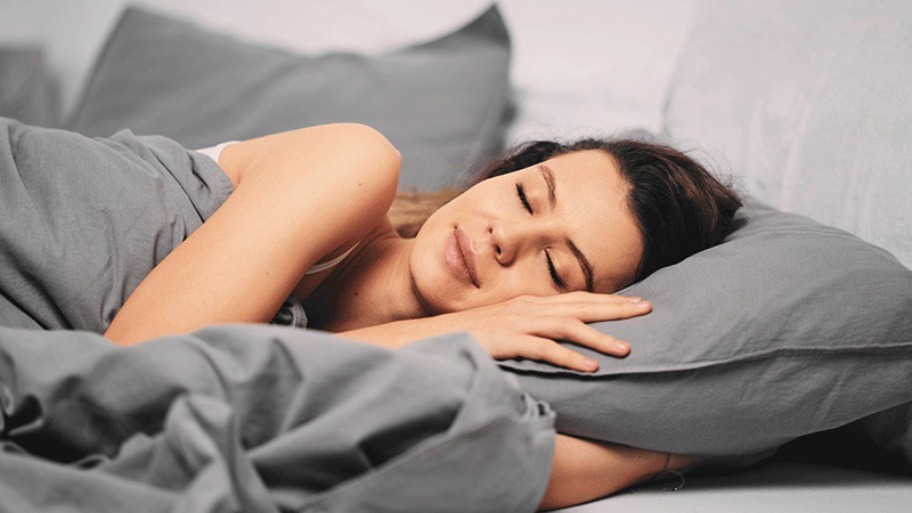
Enhances sleep quality
Sleep problems are closely linked to stress, especially when the mind remains active even at rest. Massage therapy for stress and anxiety helps calm the nervous system and reduce physical discomfort, making it easier for the body to fall asleep naturally. As sleep quality improves, the body recovers more effectively, leading to better energy levels and improved daily performance.
Improves body awareness
Massage therapy for stress and anxiety also helps improve body awareness, allowing you to better recognize how stress affects your body. As tension is released, you become more sensitive to early signs such as tightness or fatigue, making it easier to respond before stress builds up. The best massage for stress and anxiety not only supports relaxation but also helps you develop better control over your physical and emotional state.

Best massage for stress and anxiety relief
Choosing the right method can make a clear difference in how effectively massage reduce stress and anxiety in your daily life. Each technique works in a different way, from gentle relaxation to deeper pressure that targets long-term tension, depending on what your body needs. As you explore the following options, you will see how different massage styles support both physical comfort and mental balance in their own unique way.
Swedish massage for relaxation
Swedish massage is often considered the best massage for stress and anxiety because it uses long strokes and moderate pressure to calm the nervous system and improve circulation. This technique helps reduce cortisol while promoting serotonin release, supporting relaxation. By creating a steady rhythm, it allows muscles and mental activity to slow down, making it effective for people experiencing stress without severe tension.

Deep tissue massage for chronic tension
Deep tissue massage focuses on deeper muscle layers, making massage therapy for stress and anxiety more effective for people with long-term tension. Chronic stress often causes tight muscle fibers and restricted blood flow, which can increase discomfort and fatigue. By applying targeted pressure, this method helps release deep knots, restore circulation, and reduce the physical impact of stress stored in the body over time.

Aromatherapy massage
Aromatherapy massage combines physical touch with essential oils, allowing massage reduce stress and anxiety through both sensory and physiological pathways. Certain scents can influence the brain’s limbic system, which is directly linked to emotions and stress response. When combined with massage techniques, this creates a stronger calming effect, helping the body relax faster and improving overall emotional balance.

Reflexology
Reflexology works on specific pressure points, making it a unique option within best massage for stress and anxiety approaches. These points are believed to be connected to different organs and systems in the body. By stimulating them, reflexology may help regulate internal balance, reduce tension signals, and support relaxation through indirect pathways in the nervous system.

Lymphatic drainage massage
Lymphatic drainage massage supports detoxification and fluid circulation, contributing to how massage therapy for stress and anxiety improves overall well-being. Stress can slow circulation and affect the lymphatic system, leading to fatigue and heaviness in the body. Gentle rhythmic movements in this technique help stimulate lymph flow, supporting immune function and creating a lighter physical state that reduces stress impact.

Shiatsu massage
Shiatsu uses finger pressure along energy pathways, helping massage reduce stress and anxiety by balancing the body’s internal energy flow. This technique focuses on restoring harmony between physical and mental states, especially for individuals experiencing both emotional stress and physical discomfort. By targeting specific points, it can help regulate tension and promote a more stable state of relaxation.

Scalp & Targeted massage
Scalp and targeted massage focus on specific areas like the head, neck, and shoulders where stress commonly accumulates. As a form of best massage for stress and anxiety, it works by directly reducing localized tension and improving blood flow to the brain. This can help ease headaches, improve mental clarity, and quickly reduce the feeling of pressure caused by daily stress.

Additional ways to reduce stress and anxiety natural
effectively, maintaining that feeling requires consistent daily habits. Stress often builds up from lifestyle, sleep, and mental patterns, so combining massage with simple natural methods can support your body better and prevent tension from returning too quickly. Below are practical ways to help you manage stress in a more stable and long-term way:
- Controlled breathing techniques: Slow, deep breathing helps regulate the nervous system, reducing heart rate and calming the mind during stressful moments.
- Regular physical activity: Exercise improves blood circulation and releases endorphins, which naturally help reduce stress and anxiety levels.
- Mindfulness and meditation: Practicing mindfulness trains the brain to stay present, reducing overthinking and emotional pressure over time.
- Healthy sleep routine: Maintaining consistent sleep patterns allows the body to recover, improving energy levels and emotional stability.
- Balanced nutrition: A proper diet supports brain function and hormone balance, which are essential in managing stress effectively.
- Limiting stimulants: Reducing caffeine and sugar intake can prevent overstimulation of the nervous system and lower anxiety levels.


